In today’s rapidly evolving insurance landscape, companies are increasingly turning to sophisticated software solutions to streamline operations, enhance customer service, and maintain competitive advantage. Insurance company software encompasses a wide range of applications designed to automate core processes, from policy management to claims processing, enabling insurers to operate with greater efficiency and accuracy. As technology continues to advance, understanding the different types of insurance software, their key features, and the benefits they offer becomes essential for companies looking to optimize their operations. This article explores various facets of insurance software, including the challenges of implementation, leading providers in the market, emerging trends, and best practices for selecting the right solutions to meet business needs.
Overview of Insurance Company Software Solutions
Definition and Importance
Insurance company software solutions encompass a range of digital tools designed to streamline operations, manage policies, and enhance customer service in the insurance industry. These platforms are vital for automating routine tasks, reducing human error, and ensuring agents and brokers can spend less time on paperwork and more time on, you know, being actual humans who help clients. In a world where instant gratification is the norm, having robust insurance software can mean the difference between a satisfied customer and a frustrated one.
Market Trends and Growth
The insurance software market is on the rise, and not just because of all those catchy commercials promising you the best rates. With a projected compound annual growth rate (CAGR) that makes most of us want to invest in some serious tech, the industry is shifting towards cloud-based solutions, AI-driven analytics, and mobile accessibility. Insurers are increasingly looking to tech not just as a tool, but as a strategic partner to navigate the evolving landscape of customer expectations and regulatory challenges.
Key Features of Insurance Software
Policy Management
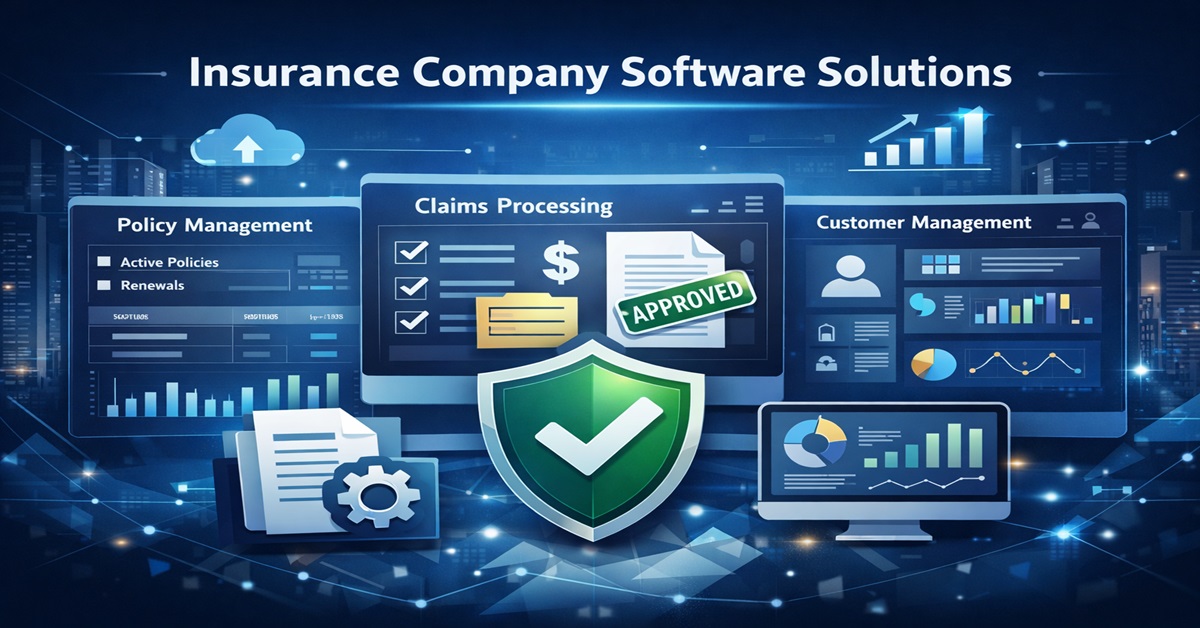
At its core, policy management is like the bread and butter of insurance software—without it, you just have crumbs! This feature allows insurers to automate the entire policy lifecycle, from creation to renewal, ensuring accuracy and efficiency. You’ll also get nifty reminders for renewals, because we all know that deadlines have a sneaky way of creeping up on us.
Claims Processing
Claims processing can feel like a never-ending labyrinth of paperwork and red tape, but fear not! Modern insurance software simplifies this daunting task by streamlining workflows, automating approvals, and even enabling customers to submit claims via their smartphones. It’s like having a magic wand—abracadabra, and the tedious parts are done!
Customer Relationship Management (CRM)
If policy management is the bread, then CRM is the peanut butter—together, they make an irresistible combo! CRM features help insurers track customer interactions, preferences, and feedback, allowing for personalized communication that can turn a one-time buyer into a loyal policyholder. A great CRM can even remind you of birthdays, because who doesn’t love a good birthday card (or a reminder to offer a discount)?
Reporting and Analytics
Data is the new oil, and insurance software is the refinery that processes it! Robust reporting and analytics tools allow insurers to dive deep into performance metrics, customer trends, and financial outcomes. This means smarter decision-making and business strategies that are less guesswork and more, well, science. With the right analytics, you might even predict trends before they happen—what a superpower!
Types of Insurance Software
Core Insurance Systems
Core insurance systems are the heavyweight champions of insurance software, managing the fundamental aspects like underwriting, policy issuance, and claims. Think of them as the backbone of an insurance company, holding everything together while ensuring that operations run as smoothly as a well-oiled machine… or, you know, at least a reasonably functioning one.
Claims Management Software
Claims management software focuses exclusively on the claims process, helping streamline everything from reporting to settlement. This is where magic happens, turning potentially chaotic claims into organized, manageable workflows. It ensures that customers get their due without the headache, making it a favorite among adjusters.
Policy Administration Software
Policy administration software simplifies the nitty-gritty details of managing policies. From issuing and renewing policies to tracking changes, this software ensures insurers stay on top of their game. It’s like having a personal assistant who never takes a coffee break—always alert and ready to tackle tasks!
Billing and Invoicing Systems
Billing and invoicing systems handle the financial side of things, ensuring premium payments are collected, invoices are generated, and payment reminders go out without a hitch. These systems keep the cash flow steady like a well-tuned piano—no one wants off-key notes when it comes to finances!
Benefits of Implementing Insurance Software
Improved Efficiency and Productivity
Implementing insurance software dramatically boosts efficiency and productivity. By automating mundane tasks, employees can focus on higher-value activities, like building relationships and tackling complex cases. It’s like upgrading from a flip phone to the latest smartphone—everything just works more smoothly!
Enhanced Customer Experience
Better software equals happier customers! With features that facilitate quicker responses and personalized service, clients will feel like they’re getting the royal treatment. After all, who wouldn’t enjoy faster claims processing and tailored policy recommendations? It’s all about making them feel seen and valued.
Data-Driven Decision Making
Having access to robust reporting and analytics empowers insurers to make informed, data-driven decisions. This means they can adapt to market changes, understand customer needs, and pivot strategies with confidence. It’s like having a crystal ball without the hocus pocus—pure analytics magic!
Regulatory Compliance
The insurance industry is subject to a mountain of regulations and compliance requirements. Fortunately, insurance software can help ensure that policies and operations align with legal standards. It’s like having a personal compliance officer on call 24/7, ensuring you never step out of line (or drop the ball on critical regulations).Challenges in Adopting Insurance Technology
Integration with Legacy Systems
Integrating new software with outdated legacy systems can feel like trying to fit a square peg in a round hole. Many insurance companies rely on old infrastructure, which may not easily “speak” to modern applications. This can lead to data silos, inefficiencies, and the occasional unplanned IT exorcism. Striking a balance between the new and the old while ensuring functionality is tricky but essential.
Employee Training and Adaptation
Change can be as popular as a root canal, especially for employees accustomed to traditional workflows. The introduction of new software often requires extensive training, which can be met with resistance or confusion. Ensuring that staff feel empowered and knowledgeable about the new tools, rather than like they’re learning to fly a spaceship, is crucial for a smooth transition and overall morale.
Data Security Concerns
In an era where data breaches are as common as cat videos, security is a paramount concern. Insurance companies handle sensitive information, making them attractive targets for cybercriminals. Implementing new software requires stringent security measures to protect customer data. Failure to do so could lead to both financial loss and major PR headaches, making data security more than just an IT issue—it’s a boardroom topic.
Leading Insurance Software Providers
Top Software Solutions Overview
In the bustling market of insurance software, various providers offer tools tailored to different needs—think of it as the buffet of tech solutions. Popular names like Guidewire, Duck Creek, and Policygenius serve up options that range from policy administration to customer relationship management. Each has its unique flavor, catering to different company sizes and types, ensuring there’s something for everyone.
Comparative Analysis of Features
When reviewing insurance software, one must examine features like a shopper comparing apples and oranges. Key aspects often include policy management, claims processing, and reporting analytics. Some systems offer streamlined workflows that feel as smooth as butter, while others may leave users feeling like they’re stuck in digital molasses. Assessing these features against your company’s needs is critical for making an informed choice.
Customer Reviews and Case Studies
Don’t just take the provider’s word for it; customer reviews can be the best popcorn for your decision-making movie. Real-life case studies often unveil how a software performs under pressure (spoiler: sometimes it’s a nail-biter). Look for feedback on ease of use, customer support, and overall satisfaction—getting the inside scoop can save you from a costly software flop.
Future Trends in Insurance Software Development
Artificial Intelligence and Machine Learning
Artificial Intelligence (AI) and Machine Learning (ML) are the fresh faces of the insurance software party. These technologies can analyze massive datasets faster than you can say “underwriting,” enabling better risk assessment, fraud detection, and personalized customer experiences. It’s like having a super-sleuth at your fingertips, ready to solve elusive insurance puzzles.
Cloud Computing Adoption
Cloud computing is the new cool kid on the tech block. More and more insurance companies are making the shift to the cloud for its flexibility, scalability, and lower IT overhead. If a storm hits (figuratively speaking), cloud solutions let insurers bounce back faster than a well-trained pogo stick. It’s a game-changer that makes accessing and managing data easier, no matter where you are.
Insurtech Innovations
The insurance industry is constantly being shaken up by insurtech innovations, blending traditional practices with tech-savvy solutions. From blockchain for secure data sharing to mobile apps that let customers manage policies with ease, these innovations keep the sector dynamic and customer-centric. Staying ahead of the curve means that companies must adapt, or risk being left in the dust (or worse, in the insurance Dark Ages).
Best Practices for Choosing Insurance Software Solutions
Assessing Business Needs
Before diving headfirst into the software pool, it’s crucial to assess your business needs. What’s the goal—streamlined claims processing, improved customer service, or better reporting? Understanding your specific requirements will prevent you from splurging on a solution that’s more than your company needs, kind of like buying a yacht when you only need a kayak.
Vendor Evaluation Criteria
Choosing the right vendor is like finding the perfect dance partner—you want someone who can keep up with your moves. Evaluate vendors based on criteria such as reliability, customer support, and scalability. Look for those with proven track records and positive customer feedback. After all, you need an ally who can shimmy through challenges with you, not one that steps on your toes.
Implementation Strategies
Once you’ve chosen your software, it’s time for implementation, and that’s often where things get tricky. A well-thought-out strategy can mean the difference between a seamless transition and a chaotic nightmare. Plan for adequate training, phased rollouts, and ongoing support. Just remember, Rome wasn’t built in a day, so allow time for adjustments and fine-tuning to make the software work for you, not the other way around.In conclusion, the adoption of insurance company software is vital for organizations aiming to enhance operational efficiency and deliver superior customer experiences. By understanding the various types of software available, their benefits, and the challenges involved, insurance companies can make informed decisions that align with their strategic goals. As technology continues to evolve, staying updated on industry trends and best practices will ensure that insurers remain competitive and capable of meeting the changing needs of their clients. Embracing the right software solutions not only streamlines processes but also positions companies for sustainable growth in an increasingly digital world.
Frequently Asked Questions
What are the main benefits of using insurance software?
Insurance software provides numerous benefits, including improved operational efficiency, faster claims processing, enhanced customer experience, better data management for reporting and analytics, and compliance with regulatory requirements.
How do I choose the right insurance software for my company?
Choosing the right insurance software involves assessing your business needs, evaluating various vendors based on features, cost, and customer support, and considering implementation strategies to ensure a smooth transition.
What types of insurance software are available?
There are several types of insurance software, including core insurance systems, claims management software, policy administration software, billing and invoicing systems, and customer relationship management (CRM) solutions.
What challenges might I face when implementing insurance software?
Common challenges include integrating the new software with existing legacy systems, ensuring employee training and adaptation, and addressing data security concerns. A well-planned implementation strategy can help mitigate these issues.