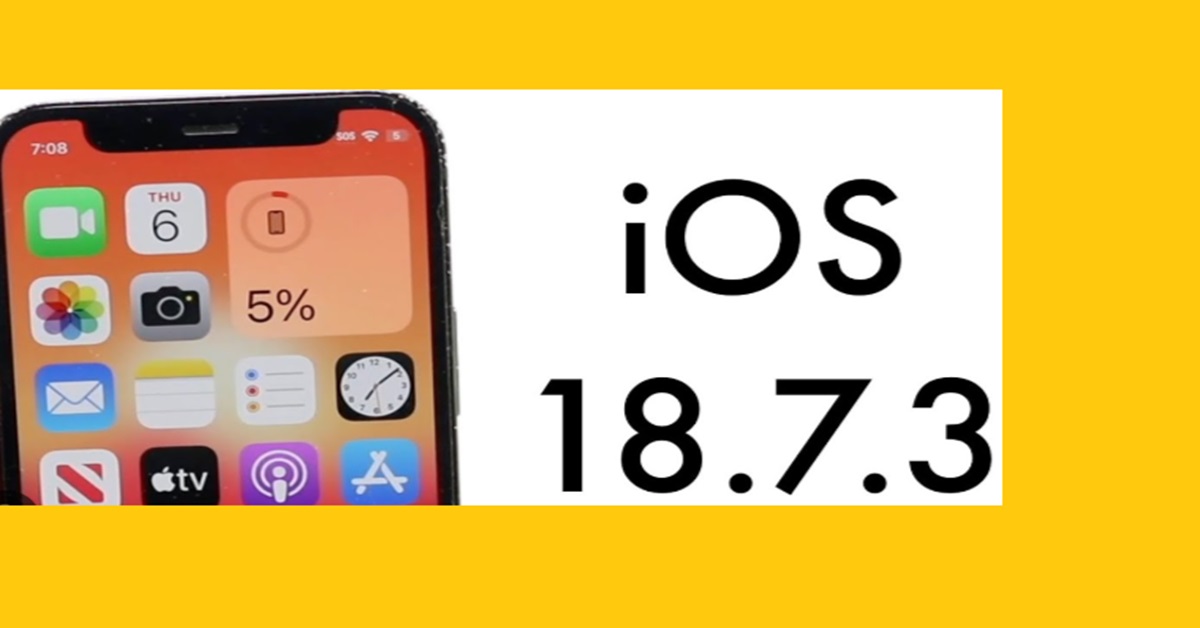
In a significant move that has captured the attention of both users and developers alike, Apple has announced the blocking of iOS 18.7.3 for iPhone 11 and newer models, compelling a shift towards the latest iOS 26.2. This decision not only alters the landscape of software updates but also raises questions about device compatibility, user experience, and the implications for app development. As Apple continues to refine its operating system strategy, this article delves into the reasons behind the block, the features of the new update, user reactions, and what it all means for the future of iOS and its ecosystem.
Overview of Apple’s iOS Update Strategy Historical Context of iOS Updates
Apple has always played the long game when it comes to iOS updates. Historically, the company excels at rolling out regular updates, compelling users to embrace the latest features while phasing out older versions. Think of it as the digital equivalent of a yearly wardrobe refresh—out with the old, in with the new! Every year, users eagerly anticipate the latest major release, but Apple also ensures that older devices stay relevant for a while before they’re nudged toward obsolescence.
Reasons Behind Blocking Previous Versions
Blocking previous iOS versions, particularly like the recent move to squash 18.7.3 for iPhone 11 and newer, is part of Apple’s strategy to streamline and secure the user experience. By forcing a shift to the most current version, Apple can patch security vulnerabilities, improve stability, and make sure everyone is dancing to the same tech tune. Just like forcing everyone to use the same song at a party, it creates harmony—or at least minimizes the awkwardness of people on different playlists.
Implications of Blocking iOS 18.7.3 on iPhone 11 and Newer Device Compatibility Concerns
Forcing users onto iOS 26.2 means some devices, especially older ones, may feel the heat as they either adapt or lag behind. Compatibility concerns arise as apps evolve to take advantage of the latest OS features. So, while iPhone 11 and newer users strap in for the upgrade rollercoaster, those still riding iOS 18.7.3 on older devices may find their favorite apps suddenly acting like that friend who disappears when the bill comes.
Impact on User Experience
While some users may roll their eyes at forced updates, the move can enhance user experience overall. New updates bring bug fixes, polished interfaces, and fresh functionalities that make Apple’s ecosystem feel like a shiny new toy, rather than a dusty relic. However, change can be daunting; the transition may require some getting used to, and not everyone is ready to embrace the latest features with open arms. Just remember, complaining about changes is as timeless as the desire for a good cup of coffee!
Transitioning to iOS 26.2: Key Features and Improvements
New Functionalities Introduced
So what’s cooking with iOS 26.2? Apple is renowned for its innovative additions, and this update is no exception. Expect an array of new functionalities ranging from improved multitasking features to enhanced privacy controls. Siri might even pick up some new tricks—don’t worry, it’s still not going to help you find the TV remote, but at least it’ll remind you about your dentist appointment!
Performance Enhancements
With every new iOS release comes the promise of smoother performance, and iOS 26.2 is stepping up. Users can anticipate faster app launches, snappier animations, and less of that frustrating lag that feels like waiting for the kettle to boil. Apple claims it’s all about optimizing code and harnessing the power of the latest hardware. In simpler terms: if your phone was an athlete, iOS 26.2 is its personal trainer!
User Reactions and Feedback on the Update Policy
Community Reactions on Social Media
When news of Apple blocking iOS 18.7.3 hit social media, the reactions were predictably mixed. Some users cheered, ready to embrace the future, while others pulled out the pitchforks, lamenting the loss of their beloved, comfy old versions. Memes and hot takes flew around like confetti at a party after the first sip of champagne, cementing the age-old tradition of lively online discourse in the face of change.
Impact on Customer Loyalty and Brand Perception
Apple’s decision to block previous versions might ruffle a few feathers, but their loyal fanbase tends to rotate around the idea that “the grass is greener on the other side” only until the other side turns brown. While some may grumble and threaten to switch to rival brands, many still appreciate Apple’s commitment to security and innovation. At the end of the day, this update could either strengthen brand loyalty—like a goblet of irresistible Apple juice or push some users toward greener pastures. Time will tell!Impact on App Compatibility and Development
Changes for Developers
With Apple blocking iOS 18.7.3 on iPhone 11 models and above, developers are facing a bit of a conundrum. The abrupt shift to iOS 26.2 means that they must quickly adapt their apps to be compatible with this new version. Expect to see a surge in updates as developers scramble to iron out any bugs and ensure functionality with Apple’s latest features. Not to mention, the need for developers to test their apps extensively on the new system adds to the workload. So, if you are a developer, grab your coffee; it’s going to be a long ride!
Effect on Existing Applications
As iOS 18.7.3 is no longer an option for the supported devices, existing applications that rely on this version will need considerable tweaking or risk becoming obsolete. Users might find that apps they rely on will either need to be updated or will mysteriously stop working. This creates an urgent need for developers to pivot their focus quickly, leading to a delicate dance between maintaining old functionalities while implementing new ones. Prioritize your app updates, folks—users won’t stick around if they can’t swipe right!
Comparison with Previous iOS Updates
Trends in Update Frequency and Content
This isn’t the first time Apple has made drastic changes, but the pace at which they’re rolling out updates has certainly picked up. Historically, major updates would come once a year, like a visit from your rarely seen cousin at Thanksgiving—everyone knows they’re supposed to show up, but you just never know when. Now, with more frequent updates that are laden with significant changes, it feels more like they’ve suddenly decided to crash your dinner every few weeks with unexpected announcements and new features. Developers and users are still adjusting to this new reality.
Lessons Learned from Past Updates
From past updates, particularly those that introduced significant UI changes, we’ve come to learn that preparation is key. Many developers remember the chaos that ensued when iOS 14 introduced widgets—apps scrambled to adapt, and users had to brace themselves for unexpected “surprises” in their favorite apps. This time around, developers should take a page from history: proactive testing, clear communication, and getting ahead of the curve can make all the difference between a smooth transition and the tech equivalent of stepping on Legos.
Future Expectations for iOS and Apple Devices
Predicted Features in Upcoming Releases
As we gaze into our crystal ball (or just scroll through tech forums), it seems like the buzz is all about enhanced AI features and deeper integration across devices. Apple might introduce more sophisticated Siri capabilities, advanced multitasking, and seamless ecosystem features that make you wonder how you ever lived without them. And let’s not forget the rumors of envisioned customization options to make each device uniquely *you*. Get ready for more than just a polished interface; think of your iPhone as your personal assistant, confidante, and maybe even your therapist—just don’t expect it to bring you coffee.
Long-term Strategy for Device Support
Apple usually sticks to its guns when it comes to device support, often leaving older models in the dust. However, as competition grows fiercer in the tech world, it wouldn’t be surprising to see a shift in strategy. Longer support for older models or a phased rollout of features could make all Apple devices feel fresh and relevant for a more extended period. Ultimately, this will keep users from feeling as if they’re constantly chasing the latest model—after all, who doesn’t like to feel appreciated?
Conclusion: Navigating the Shift in iOS Versions
Summary of Key Takeaways
The announcement of Apple blocking the iOS 18.7.3 update for newer iPhones ushers in a complex era for both users and developers. The rapid shift to iOS 26.2 will require adaptability and swift action. Developers need to prioritize app compatibility while users should brace themselves for those inevitable updates—because who doesn’t love a surprise download in the middle of their evening Netflix binge?
Advice for Users and Developers Moving Forward
For users, the best advice is to stay informed and proactive. Regularly check for updates and don’t hesitate to reach out to developers if your favorite apps aren’t keeping pace. For developers, embrace this challenge and invest time into understanding new features. Prioritize user experience and keep communication channels open—it’ll make all the difference in retaining your loyal fan base as you navigate this brave new iOS world! And remember, a little humor goes a long way in the tech community—keep it light, and ride the wave!As Apple navigates this transition to iOS 26.2, users and developers will need to adapt to the changes and embrace the new features that come with the latest update. While the blocking of iOS 18.7.3 may present challenges, it also opens the door to improved functionality and performance. Staying informed about these developments will be crucial for maximizing the benefits of Apple’s evolving ecosystem. Ultimately, this shift reflects Apple’s commitment to maintaining a high standard for user experience and app compatibility in an ever-changing technological landscape.
Frequently Asked Questions
Why has Apple blocked iOS 18.7.3 for iPhone 11 and newer models?
Apple has blocked iOS 18.7.3 to ensure that users transition to the more advanced and feature-rich iOS 26.2, which provides better performance and improved functionalities.
What are the key features of iOS 26.2?
iOS 26.2 includes new functionalities such as enhanced privacy settings, improved app performance, and user interface updates that aim to enhance the overall user experience.
How will this change affect app compatibility?
The shift to iOS 26.2 may require developers to update their apps to ensure compatibility, as older versions may not function optimally or may lack support for new features.
What should users do if they are currently on iOS 18.7.3?
Users on iOS 18.7.3 should consider updating to iOS 26.2 to take advantage of the latest features, security improvements, and better overall performance.