custom insurance software development
In an increasingly competitive insurance market, companies are turning to custom insurance software development to meet their unique operational needs and enhance customer satisfaction. Unlike off-the-shelf solutions, custom software allows insurers to tailor functionalities that align precisely with their business models, regulatory requirements, and customer expectations. This article explores the myriad benefits of custom insurance solutions, key features that should be included, and the development process from conception to deployment. By understanding these elements, insurance companies can leverage technology to streamline operations, improve client interactions, and stay ahead in a rapidly evolving industry.
Understanding Custom Insurance Software Development
What is Custom Insurance Software?
Custom insurance software is like a tailored suit for your business — it’s designed to fit your unique needs and challenges perfectly. Instead of relying on generic, one-size-fits-all solutions, custom software is specifically crafted to address the intricate demands of the insurance industry. This can include policy management, claims processing, and more, all wrapped up in a sleek package that actually makes sense for how you operate.
Why Custom Solutions Over Off-the-Shelf Options?
Sure, off-the-shelf options might seem appealing — they’re readily available and often cheaper. But let’s be honest: using off-the-shelf software is like trying to run a marathon in flip-flops. Custom solutions, on the other hand, provide flexibility and functionality tailored to your unique business model. Think of it as having a secret weapon that allows you to stand out from the competition, adapt quickly to changes, and actually meet the specific needs of your clients.
Key Benefits of Custom Insurance Solutions
Enhanced Flexibility and Scalability
With custom insurance software, you’re not buying a one-size-fits-all product that might be outgrown by your business. Instead, you’re getting a dynamic solution that grows with you. Need to add new features or scale for a growing clientele? No problem! Custom software can easily adapt to changes in your business without breaking a sweat (or your budget).
Improved Customer Experience
Happy customers are repeat customers, and custom insurance software enhances their experience by offering personalized options, quicker response times, and seamless interactions. It’s like giving your clients a VIP pass to your services, ensuring they feel valued every step of the way. Plus, a good experience means they’re more likely to spread the word about your business, and who doesn’t love a little free advertising?
Streamlined Internal Processes
Running an insurance business involves a lot of moving parts, and custom software can help simplify those processes. By automating tasks, centralizing data, and integrating different functions, your team can focus on what really matters: serving your clients. Think of it as decluttering your workspace—everything just runs smoother when the chaos is kept at bay.
Essential Features of Insurance Software
Policy Management
Managing policies can be a complex affair, but custom insurance software provides a streamlined approach. From paperwork to renewals, all aspects of policy management can be handled efficiently, ensuring your clients always have the coverage they need without the headache of confusing paperwork.
Claims Processing
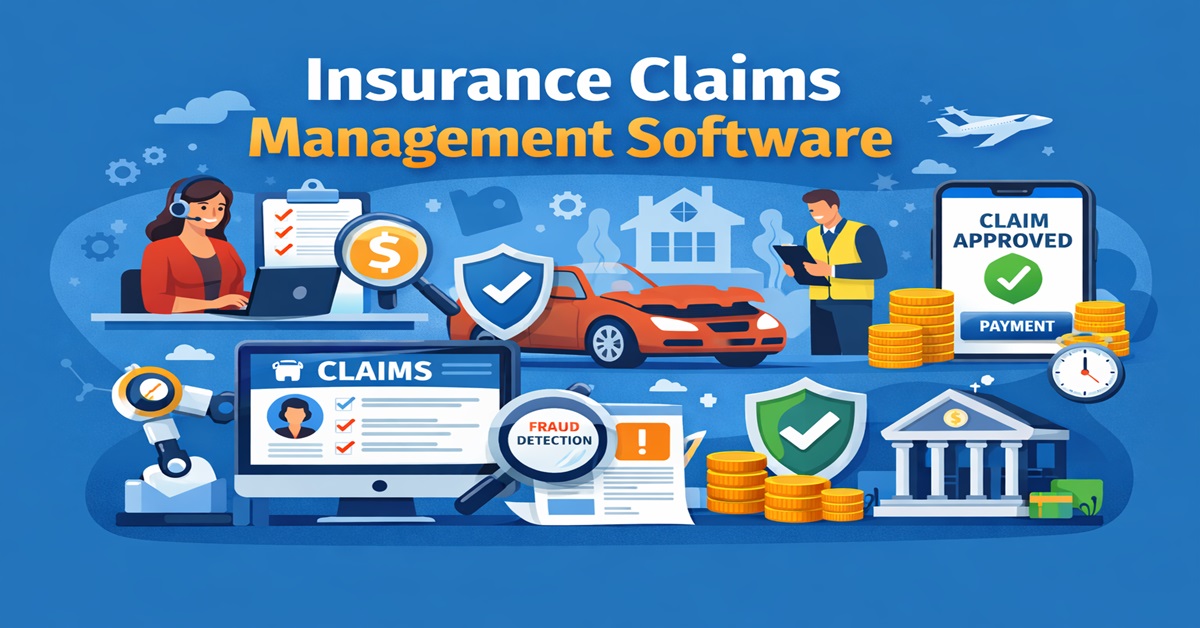
No one wants to deal with a complicated claims process, least of all your clients. Custom software makes this process as smooth as a freshly ironed shirt, enabling rapid claims submissions, tracking, and approvals. It’s all about making life easier for everyone involved — because let’s be real, nobody enjoys the claims dance.
Billing and Payments
Say goodbye to the headaches of billing! Custom software allows for easy invoicing, payment tracking, and integrations with various payment systems. This feature ensures your clients can pay quickly and securely while you keep those cash flow worries at bay. It’s like having a financial assistant in your back pocket!
Reporting and Analytics
Knowledge is power, and with custom insurance software, you can harness that power through comprehensive reporting and analytics features. Track trends, understand your performance metrics, and make informed decisions that drive your business forward. Don’t just follow the data—let it lead you to success!
The Development Process: From Concept to Deployment
Initial Consultation and Requirement Gathering
Every great journey begins with a single step, and in the world of custom software, that step is the initial consultation. Here, you’ll discuss your needs, challenges, and goals with a development team. It’s like laying out the blueprints before building your dream house — you want it done right from the get-go!
Design and Prototyping
Once your requirements are gathered, it’s time to get creative. The design phase involves mocking up visuals and creating a prototype of your software. This is where the magic starts to happen, and you get a glimpse of how your custom solution will look and function, ensuring it’s as snazzy as your ideas.
Development and Testing
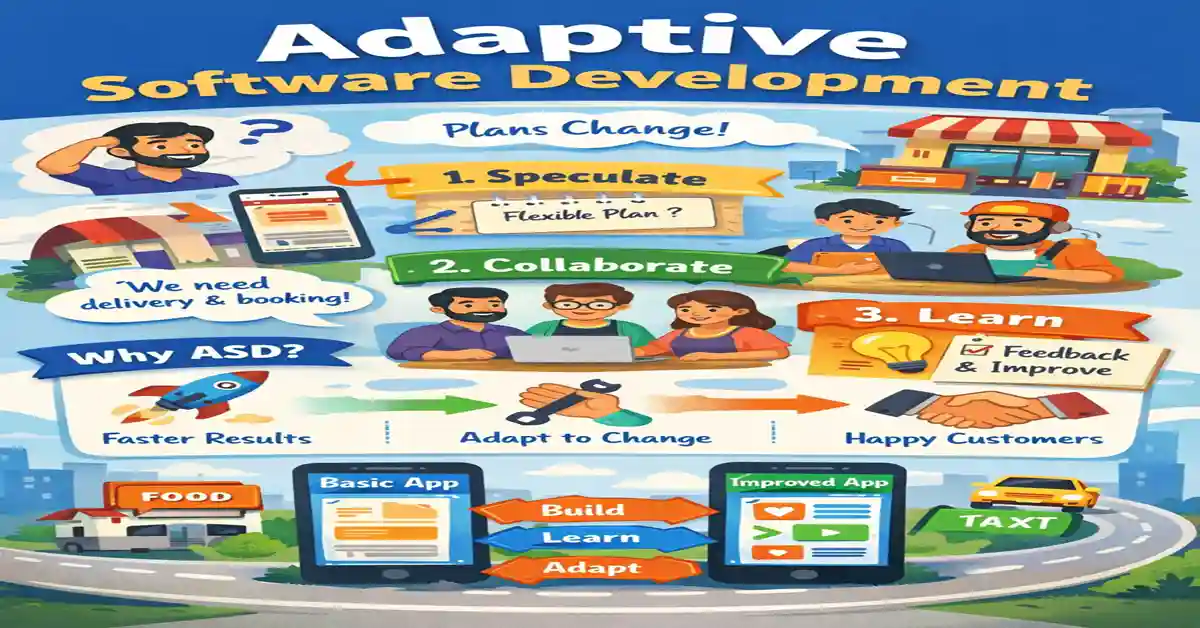
With the design approved, the actual development begins. This includes coding, integrating features, and building the architecture of your software. But hold your horses! Before it’s launched, rigorous testing is done to squash any bugs and ensure it works effortlessly. Think of it as the dress rehearsal before the big show.
Deployment and Maintenance
Finally, the moment you’ve been waiting for: deployment! Your custom software is live and ready to rock. But the process doesn’t end there; ongoing maintenance is crucial to keep everything running smoothly. This includes updates, support, and any tweaks needed as your business evolves. After all, even the best software needs a little TLC from time to time!Choosing the Right Technology Stack
Languages and Frameworks
When it comes to developing custom insurance software, picking the right programming languages and frameworks can feel a bit like dating. You need a good match that can grow with you and handle all your quirks. Popular choices include Java and C# for their robustness, alongside JavaScript frameworks like React or Angular for a flashy front end. Don’t forget about Python; its simplicity makes it a favorite for data analysis and machine learning. Just remember, whatever you choose, ensure it aligns with your team’s skills and your long-term goals.
Database Solutions
Choosing a database is like picking a storage unit for your favorite hobby—sure, you want something sturdy, but it also needs to be accessible and easy to navigate. SQL-based systems like PostgreSQL or MySQL are great for structured data, while NoSQL options like MongoDB shine when you need flexibility. If you’re swimming in vast oceans of data, consider a data warehouse solution, which can help you sift through the chaos like a pro librarian.
Cloud vs On-Premises Solutions
The classic showdown: cloud vs on-premises. Cloud solutions offer the convenience of scalability and accessibility—think of it as insurance software on a beach vacation; you can access it anywhere with just a Wi-Fi connection. On the other hand, on-premises solutions give you full control of your data and might feel like the cozy, familiar couch of your living room. Evaluate your organization’s needs, regulatory requirements, and budget to find out which option will be your best insurance buddy.
Integrating Compliance and Security in Insurance Software
Understanding Regulatory Requirements
Navigating the regulatory landscape of the insurance industry can feel like walking through a maze blindfolded. From GDPR to HIPAA, understanding these regulations is crucial to avoid costly missteps. Engage legal experts early in the development process to ensure your software adheres to all necessary guidelines. Remember, compliance isn’t just a checkbox; it’s a key part of customer trust and safeguarding your reputation.
Data Security Measures
When it comes to data security, think of it as a fortress surrounding your sensitive information. Implement encryption, regular security audits, and access controls to fortify your defenses. Additionally, consider multi-factor authentication—because who doesn’t love an extra layer of security that makes you feel like a secret agent? By prioritizing data protection, you’re not only complying with regulations but also earning your clients’ confidence.
Continuous Compliance Monitoring
Just because you built a compliant system doesn’t mean you can kick back and relax, sipping a piña colada. Continuous compliance monitoring is essential for adapting to evolving regulations and keeping potential risks at bay. Utilize automated compliance tools to help track changes and generate reports, so you can stay ahead of the curve and keep your software in tip-top shape without breaking a sweat.
Case Studies: Successful Implementations of Custom Insurance Software
Case Study 1: Streamlining Claims Processing
Meet InsuranceCo, which faced a bottleneck in claims processing that made them feel like they were swimming upstream. By developing a custom software solution that automated claims submissions, integrated AI for fraud detection, and simplified user interfaces, they slashed processing times by 50%. Customers were happier, agents were less stressed, and InsuranceCo found themselves on the fast track to success—no life vests needed.
Case Study 2: Enhancing Customer Engagement
Next up, we have CoverageCorp, which realized that customer engagement had gone about as well as a lead balloon. They turned to custom software development to create a personalized user experience, integrating chatbots for immediate responses and a mobile app for easy policy management. The result? Increased customer satisfaction scores and a 40% boost in retention rates. Turns out, a little personalized attention goes a long way in the insurance world!
Future Trends in Insurance Technology Development
The Role of Artificial Intelligence and Machine Learning
AI and machine learning are not just buzzwords; they’re revolutionizing how insurance companies operate. From underwriting processes that learn and adapt to fraud detection systems that flag suspicious activity in real-time, the potential is both exciting and slightly terrifying. By leveraging these technologies, insurers can enhance decision-making, optimize operations, and better serve their customers—like having a crystal ball that actually works!
Blockchain and Its Impact on Insurance
Blockchain technology is shaking things up in the insurance world, much like a surprise dance-off at a wedding. With its decentralized nature, it offers transparency and security for policy transactions and claims processing. Imagine a world where your insurance record is tamper-proof and easily accessible by all parties involved, streamlining everything and reducing those pesky disputes. It’s like having a personal notary that never takes a day off!
Omni-channel Customer Experience
In today’s fast-paced world, customers want the ability to engage with their insurance provider across various platforms—be it mobile, web, or even through a friendly chatbot. An omni-channel approach ensures consistency and seamless communication, making your clients feel like VIPs. As customers’ expectations continue to rise, insurance companies that embrace this trend will not only survive but thrive. After all, who doesn’t want to be the cool kid on the block?In conclusion, custom insurance software development presents a valuable opportunity for insurance companies to enhance their operational efficiency and customer experience. By investing in tailored solutions that address specific needs, insurers can not only improve their services but also position themselves for future growth in a dynamic market. As technology continues to evolve, embracing these custom solutions will be essential for staying competitive and meeting the demands of modern consumers.
Frequently Asked Questions
What is the typical timeline for developing custom insurance software?
The timeline for developing custom insurance software can vary widely depending on the complexity of the project, requirements, and resources allocated. Generally, it can take anywhere from a few months to over a year to complete the entire process from initial consultation to deployment.
How much does custom insurance software development cost?
The cost of custom insurance software development can vary significantly based on factors such as features, technology stack, and the development team’s location. Companies should budget for development, testing, deployment, and ongoing maintenance, often resulting in a substantial investment.
Can custom insurance software integrate with existing systems?
Yes, custom insurance software can be designed to integrate seamlessly with existing systems and tools. This capability is crucial for ensuring data consistency and streamlining operations across various platforms within the organization.
What are the ongoing maintenance requirements for custom insurance software?
Ongoing maintenance for custom insurance software includes regular updates, bug fixes, and enhancements to adapt to changing business needs and regulatory requirements. Companies should plan for continuous support to ensure the software remains functional and secure over time.