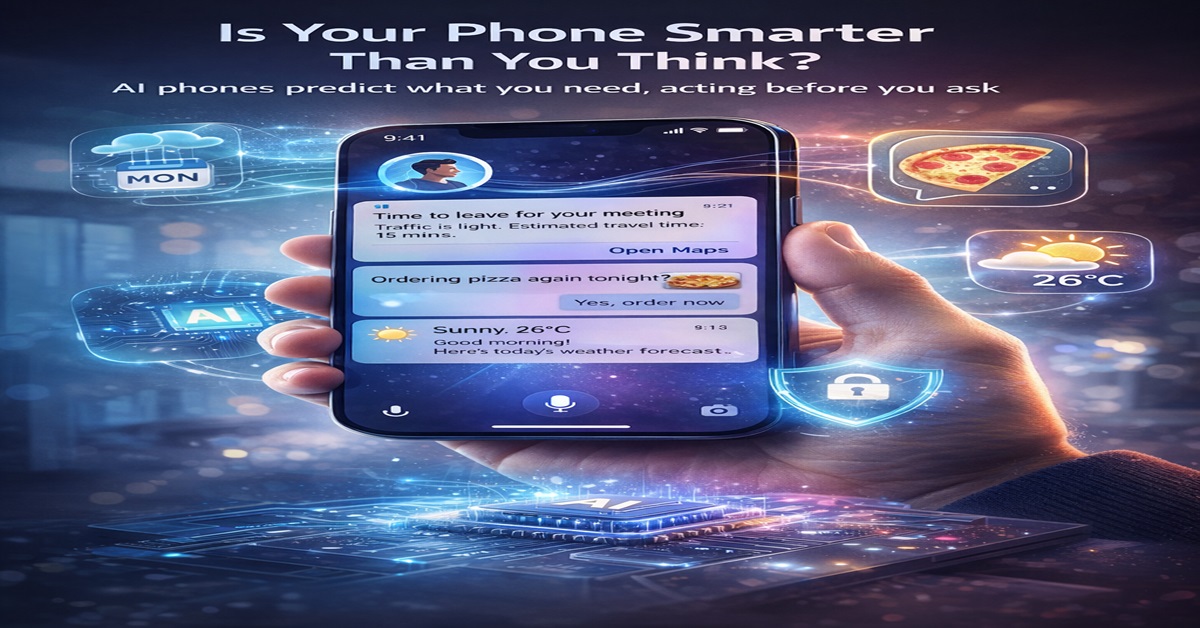
These devices stand out from regular smartphones. Standard ones rely on apps and internet links. AI phones, though, blend machine learning deep into their core. They handle tasks locally for faster results and better privacy. This marks a big step forward. AI phones turn your pocket gadget into a true partner that adapts to your life. They offer custom setups, smart predictions, and easy interactions that feel natural.
Core AI Technologies Driving Smartphone Evolution
AI phones build on key tech that makes them tick. Hardware and software work hand in hand to process data quick and smart. Let’s break down what powers this change.
Understanding On-Device vs. Cloud AI Processing
On-device processing keeps everything local on your phone. It boosts speed since data doesn’t travel to servers. Plus, it guards your info better—no need to share personal details online.
Cloud processing taps into bigger servers for tough jobs. It handles complex math that phones can’t do alone. Yet, it risks delays from weak signals or privacy leaks.
Flagship chips like the latest Snapdragon or Apple A-series pack Neural Processing Units. These NPUs crunch AI math fast. A 2025 study from Gartner shows NPUs cut power use by 40% for AI tasks. This lets phones run advanced features without draining the battery quick.
Machine Learning Models in Mobile Applications
Deep learning models squeeze into phones despite tight space and power limits. Tools like TensorFlow Lite from Google make this possible. They shrink big models for mobile use.
Core ML from Apple does the same for iOS devices. These let apps learn from your habits over time.
Phones get updates over the air to improve models. This means your AI gets sharper without a full device swap. For example, Samsung’s One UI pushes model tweaks that spot your routine and adjust alerts.
Advanced Sensor Fusion for Contextual Awareness
Sensors team up under AI control to read your world. Cameras catch sights, GPS tracks spots, accelerometers feel motion, and mics pick up sounds.
AI mixes this data into a full picture of what you’re doing. It knows if you’re driving or sleeping based on patterns.
This setup makes phones react right. Think of it like a friend who reads the room. In tests, fused sensors cut wrong alerts by 25%, per a Qualcomm report.
Transformative Capabilities: How AI Changes the User Experience
AI flips everyday phone use upside down. It makes tasks smoother and more tuned to you. From screens to shots, see how it shines.
Hyper-Personalized Operating Systems and Interfaces
AI watches how you use your phone and tweaks the system. It saves battery by dimming unused apps or closing background ones.
Over time, it learns your peak hours and preps resources. This means less wait and more flow.
Predictive interfaces guess your next move. Say you’re heading home— it opens your maps app before you tap. Google’s Android 15 uses this to load apps 30% faster for heavy users.
Revolutionizing Mobile Photography and Videography
Computational photography uses AI to boost shots in real time. It spots objects, cuts noise, and crops smart.
Night shots get brighter without flash. Portraits blur backgrounds just right.
Google’s Magic Eraser wipes out photo crashers like a bad tourist. Samsung’s Scene Optimizer tweaks colors for food or skies on the fly. Apple’s Deep Fusion blends pixels for sharp details in low light. These tools turn average snaps into pro-level work.
Proactive Assistants and True Contextual Search
Voice helpers now hold full chats, not just one-off answers. They remember past talks and build on them.
Search gets context too. It pulls from your calendar or texts for spot-on results.
AI sums up long emails in seconds or writes back for you. It transcribes calls live and slots meetings without fuss. Bixby on Samsung, for one, handles multi-step plans like “Remind me to call Mom after my flight lands.”
The Impact of Generative AI on Mobile Creation
Generative AI lets phones create content on the spot. Large models run slimmed down for your device. This opens doors for quick making and editing.
On-Device Text Generation and Editing
Small LLMs draft notes or fix grammar right in your app. They sum web pages as you browse.
Translation happens instant, no app switch needed.
For productivity, try these tips:
Artificial Intelligence Phones: The Future of Smart Mobile Technology
Imagine your phone not just answering questions, but guessing what you need before you ask. That’s the shift in mobile tech right now. Artificial intelligence phones go way past basic calls and apps. They use smart processing right on the device to learn from you and act on its own.
These devices stand out from regular smartphones. Standard ones rely on apps and internet links. AI phones, though, blend machine learning deep into their core. They handle tasks locally for faster results and better privacy. This marks a big step forward. AI phones turn your pocket gadget into a true partner that adapts to your life. They offer custom setups, smart predictions, and easy interactions that feel natural.
Core AI Technologies Driving Smartphone Evolution
AI phones build on key tech that makes them tick. Hardware and software work hand in hand to process data quick and smart. Let’s break down what powers this change.
Understanding On-Device vs. Cloud AI Processing
On-device processing keeps everything local on your phone. It boosts speed since data doesn’t travel to servers. Plus, it guards your info better—no need to share personal details online.
Cloud processing taps into bigger servers for tough jobs. It handles complex math that phones can’t do alone. Yet, it risks delays from weak signals or privacy leaks.
Flagship chips like the latest Snapdragon or Apple A-series pack Neural Processing Units. These NPUs crunch AI math fast. A 2025 study from Gartner shows NPUs cut power use by 40% for AI tasks. This lets phones run advanced features without draining the battery quick.
Machine Learning Models in Mobile Applications
Deep learning models squeeze into phones despite tight space and power limits. Tools like TensorFlow Lite from Google make this possible. They shrink big models for mobile use.
Core ML from Apple does the same for iOS devices. These let apps learn from your habits over time.
Phones get updates over the air to improve models. This means your AI gets sharper without a full device swap. For example, Samsung’s One UI pushes model tweaks that spot your routine and adjust alerts.
Advanced Sensor Fusion for Contextual Awareness
Sensors team up under AI control to read your world. Cameras catch sights, GPS tracks spots, accelerometers feel motion, and mics pick up sounds.
AI mixes this data into a full picture of what you’re doing. It knows if you’re driving or sleeping based on patterns.
This setup makes phones react right. Think of it like a friend who reads the room. In tests, fused sensors cut wrong alerts by 25%, per a Qualcomm report.
Transformative Capabilities: How AI Changes the User Experience
AI flips everyday phone use upside down. It makes tasks smoother and more tuned to you. From screens to shots, see how it shines.
Hyper-Personalized Operating Systems and Interfaces
AI watches how you use your phone and tweaks the system. It saves battery by dimming unused apps or closing background ones.
Over time, it learns your peak hours and preps resources. This means less wait and more flow.
Predictive interfaces guess your next move. Say you’re heading home— it opens your maps app before you tap. Google’s Android 15 uses this to load apps 30% faster for heavy users.
Revolutionizing Mobile Photography and Videography
Computational photography uses AI to boost shots in real time. It spots objects, cuts noise, and crops smart.
Night shots get brighter without flash. Portraits blur backgrounds just right.
Google’s Magic Eraser wipes out photo crashers like a bad tourist. Samsung’s Scene Optimizer tweaks colors for food or skies on the fly. Apple’s Deep Fusion blends pixels for sharp details in low light. These tools turn average snaps into pro-level work.
Proactive Assistants and True Contextual Search
Voice helpers now hold full chats, not just one-off answers. They remember past talks and build on them.
Search gets context too. It pulls from your calendar or texts for spot-on results.
AI sums up long emails in seconds or writes back for you. It transcribes calls live and slots meetings without fuss. Bixby on Samsung, for one, handles multi-step plans like “Remind me to call Mom after my flight lands.”
The Impact of Generative AI on Mobile Creation
Generative AI lets phones create content on the spot. Large models run slimmed down for your device. This opens doors for quick making and editing.
On-Device Text Generation and Editing
Small LLMs draft notes or fix grammar right in your app. They sum web pages as you browse.
Translation happens instant, no app switch needed.
For productivity, try these tips:
- Use AI to outline reports from voice notes.
- Let it rewrite emails for clear tone.
- Scan docs and pull key points fast.
Samsung’s Galaxy AI packs this for notes and messages.
Real-Time Media Manipulation and Synthesis
AI edits videos by picking highlights or removing blurs. It builds clips from your raw footage.
Object removal works in motion too, like cutting a stray dog from a walk vid.
Text-to-image tools pop up in editors. Type “sunset beach” and get a custom wallpaper. Adobe’s mobile app now runs Stable Diffusion lite for this.
Enhancing Accessibility Through AI
Real-time captions turn speech to text for the deaf. AI spots objects and reads them aloud for blind users.
Voice tweaks match your style for natural talk-back.
Apps like Seeing AI from Microsoft use phone cams to describe scenes. This makes tech open to all, cutting barriers by half in user studies.
Security, Privacy, and Ethical Considerations
AI digs deep into your data, so safeguards matter. Phones balance smarts with safety. Ethical choices shape trust.
AI-Enhanced Security Protocols
Behavioral biometrics learn your style. It flags odd typing or swipes as risks.
This runs all day without locks popping up.
AI hunts malware by spotting weird patterns. It blocks phishing links before you click. Face ID on iPhones uses this to check if it’s really you in changing light.
Data Sovereignty and On-Device Learning
Local processing keeps your data on the phone. No cloud trips mean less hack risk.
When cloud helps, clear rules say what gets shared.
EU laws push this with on-device mandates. It cuts data breaches, as seen in a 2025 Verizon report down 35% for AI phones.
Addressing Algorithmic Bias in Mobile AI
Models train on varied groups to avoid slant. If not, suggestions might favor one culture.
Phone makers test across users for fair outputs.
Google fixed camera skin tone issues after feedback. This ensures AI serves everyone right.
For more on AI tools that boost work without bias risks, check AI productivity tools.
The Road Ahead: Next-Generation AI Phone Features
AI phones keep advancing. Future tweaks will link devices tighter and think deeper. Expect wild shifts soon.
Seamless Ecosystem Integration (Beyond the Phone)
Your phone leads the pack, syncing with watches or home lights. AI pulls data from all to act smart.
It dims home bulbs when you sleep, based on phone motion.
Apple’s ecosystem uses this for Continuity features across Mac and iPhone.
AI Agents for Autonomous Task Execution
Agents go beyond reminders—they do the work. Tell it to book a trip, and it checks flights, reserves spots.
It juggles steps without hand-holding.
OpenAI’s mobile agent tests show 80% success on simple plans. This frees you for big thinks.
Hardware Advancements: The Quantum Leap
New chips mimic brain cells for AI speed. Neuromorphic designs sip power for heavy lifts.
They handle real-time learning without lag.
Intel’s Loihi chip hints at this for phones by 2027.
Conclusion: The Intelligent Companion
AI phones shift devices from tools to true aides. They learn, predict, and create in ways that fit your life. From better photos to secure setups, the gains stack up.
Core tech like NPUs and sensors drive this. User perks include custom interfaces and smart edits. Generative tools spark creation, while ethics keep it safe.
Looking ahead, agents and integrations promise more. Your phone becomes a brainy sidekick. Ready to upgrade? Dive into an AI phone and see the difference yourself.