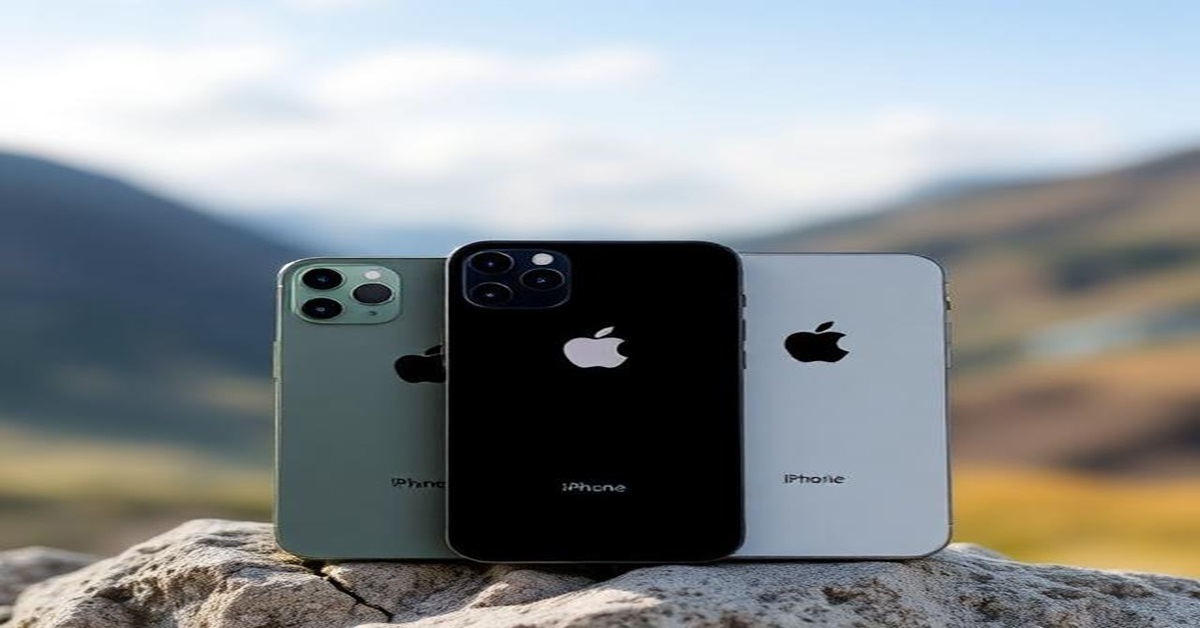
Apple has built its reputation on consistency, especially when it comes to launching a new iPhone every year. Yet, history shows that Apple is not afraid to break patterns when strategy demands it. As we move closer to 2026, growing industry discussions suggest that one iPhone released in 2025 may not receive a direct successor the following year.
This is not a sign of hesitation or failure. Instead, it reflects how Apple carefully evaluates market demand, long-term value, and technological direction before deciding what deserves continuation—and what does not.
Apple’s Long-Term Thinking Behind iPhone Releases
Apple does not treat the iPhone as a short-term product. Each model is planned years in advance and serves a specific role within the lineup. Some devices are created to test new ideas, some to attract niche users, and others to push the limits of premium technology.
When a model completes its purpose successfully—or no longer fits future goals—Apple quietly steps away. The potential absence of a 2026 successor for a 2025 iPhone fits perfectly into this long-standing approach.
The 2025 iPhone That May Stand Alone
The iPhone expected to be released in 2025 is widely seen as a strategic device rather than a permanent lineup staple. It may focus on:
- A specific design philosophy
- A particular price segment
- Or a unique balance between performance and size
If this model delivers exactly what Apple intends, the company may decide that there is no need to repeat it in 2026.
Why Apple May Skip a 2026 Successor
Demand That Peaks Early
Not every iPhone is designed for long-term mass adoption. Some models generate strong interest initially but fail to sustain momentum. Apple closely studies:
- Sales patterns
- Upgrade cycles
- Regional demand
If the 2025 iPhone appeals strongly to a limited audience, Apple may conclude that refreshing it again would add little value.
Simplifying the iPhone Lineup
Apple has gradually moved toward a cleaner and more focused product lineup. Too many models can confuse buyers and complicate manufacturing.
By 2026, Apple is expected to prioritize:
- Clear separation between standard and Pro models
- Strong emphasis on high-margin premium devices
- Fewer overlapping price points
A one-generation iPhone fits neatly into this strategy.
Technology That Moves Too Fast
Sometimes Apple introduces a device to bridge the gap between two major technological shifts. If the 2025 iPhone introduces:
- Advanced on-device AI processing
- Major efficiency improvements in Apple Silicon
- New internal design standards
Then Apple may roll those improvements into other models rather than creating a direct successor.
Design Choices That Don’t Always Repeat
Apple values long-lasting designs, but not every design is meant to stay. If the 2025 iPhone features:
- A distinctive size
- A unique camera setup
- Or an unconventional internal layout
Apple may decide it works best as a single-generation experiment. This approach has been seen before and allows Apple to learn without committing long term.
Powerful Hardware Reducing Upgrade Pressure
Modern iPhones are extremely powerful. A well-optimized 2025 iPhone could remain fast, smooth, and capable for many years.
With Apple’s software optimization:
- Performance remains consistent
- Battery efficiency improves over time
- Security updates extend device lifespan
In such cases, releasing a 2026 replacement becomes less necessary.
Software Support Changes the Game
Apple’s extended iOS support plays a major role here. If the 2025 iPhone supports:
- Full AI features in future iOS versions
- Long-term security updates
- Core system enhancements without limitation
Then users have little reason to demand a successor immediately. Apple can continue selling the device at a lower price while focusing innovation elsewhere.
Pricing Strategy and Business Reality
Profit Matters More Than Volume
Apple does not chase sales numbers alone—it chases sustainable profit. Maintaining a device with:
- Lower margins
- High production costs
- Limited pricing flexibility
may not make sense long term. In such cases, Apple often allows a model to quietly exit rather than refresh it.
Users Are Upgrading Less Often
Global smartphone users are holding onto devices longer than ever. Apple has adapted by building phones that:
- Last longer
- Stay faster for years
- Feel modern even after multiple updates
A strong 2025 iPhone may naturally reduce demand for a 2026 successor.
Apple Has Done This Before
This would not be the first time Apple:
- Introduced a model for a single generation
- Tested a concept and moved on
- Absorbed features into other devices instead
Apple’s past decisions show that not every iPhone is meant to become a yearly series.
What This Means for Buyers
For consumers, this could be good news. A one-generation iPhone often:
- Holds value better
- Receives long software support
- Stands out as a unique model
Buying the 2025 iPhone could mean owning a device that remains relevant long after its release cycle ends.
How This Shapes Apple’s 2026 Vision
By skipping a successor, Apple gains room to:
- Invest deeper in flagship innovation
- Focus on AI-driven experiences
- Strengthen ecosystem-wide integration
This move reflects confidence, not retreat.
Final Thoughts
If Apple chooses not to launch a successor to a 2025 iPhone in 2026, it will not be an accident. It will be a deliberate, data-driven decision aligned with Apple’s long-term vision.
The 2025 iPhone may become a standout moment in Apple’s history—a device that delivered exactly what it was meant to, without needing a follow-up to justify its existence.