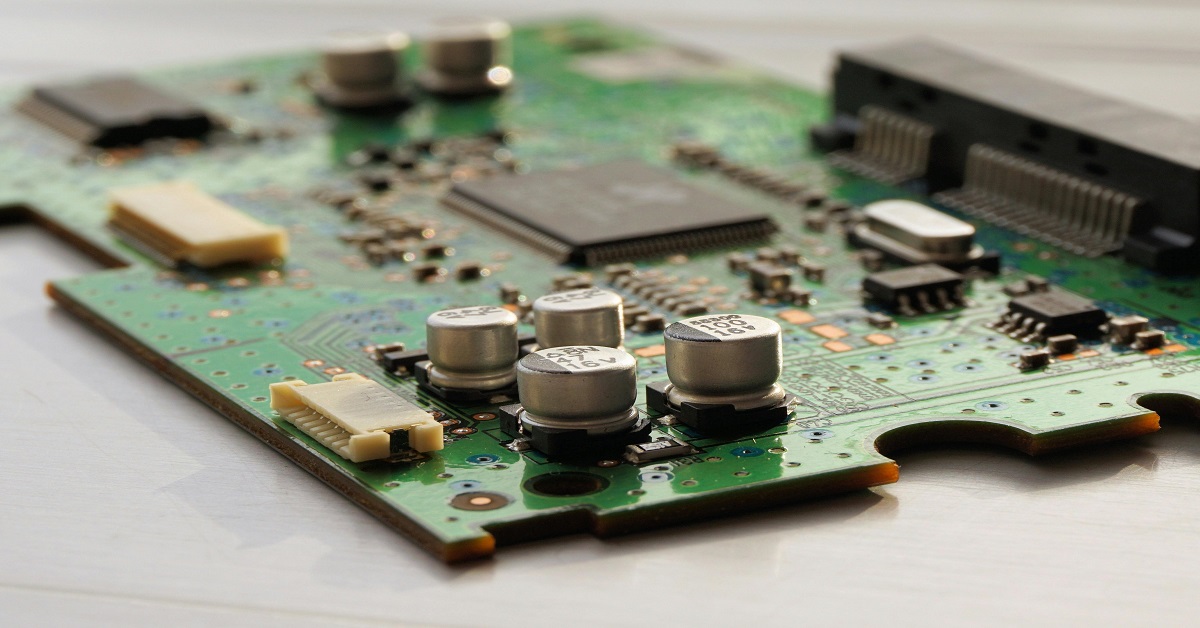
In the rapidly evolving world of semiconductors, Navitas Semiconductor Corp. has emerged as a true innovator. The company engages in the development of ultra-efficient gallium nitride (GaN) semiconductors—a breakthrough that is reshaping how we think about energy efficiency, performance, and miniaturization in modern electronics. From smartphones and laptops to electric vehicles and renewable energy systems, Navitas’ technology is redefining what’s possible in power electronics.
Let’s take a deep dive into how Navitas is using GaN innovation to fuel progress across industries, and why investors, engineers, and tech enthusiasts are watching this company so closely.
What Makes Navitas Semiconductor Different?
At its core, Navitas Semiconductor Corp. focuses on GaN power ICs—integrated circuits that combine gallium nitride power with drive, control, and protection features. These GaN-based chips are designed to replace traditional silicon power semiconductors, offering faster switching speeds, higher efficiency, and smaller sizes.
In simpler terms, Navitas is building the “brains and muscle” behind power management systems for almost every modern device. Their GaN power ICs are crucial in enabling faster charging, greater power density, and significant energy savings—features that consumers and manufacturers both demand.
Why Gallium Nitride (GaN) Matters
For decades, silicon ruled the semiconductor industry. But as devices became more powerful and compact, the limitations of silicon started to show. Enter Gallium Nitride (GaN)—a wide bandgap semiconductor material that conducts electrons faster, handles higher voltages, and wastes less energy as heat.
GaN’s advantages include:
- Higher Efficiency: GaN devices waste far less power compared to silicon.
- Smaller Size: They require fewer components, leading to compact chargers and systems.
- Faster Switching: Enables ultra-fast charging for electronics.
- Lower Heat Production: Reduced thermal losses improve lifespan and performance.
- Eco-Friendly Design: Less energy waste contributes to sustainability goals.
Navitas was among the first companies to realize that integrating GaN power and control within a single IC could unlock a whole new level of performance.
Key Industries Driving Navitas’ Growth
Navitas Semiconductor Corp. operates across multiple billion-dollar industries. Its GaN power ICs are already being adopted in five major market sectors:
1. Mobile Devices
From smartphones to tablets, mobile devices demand fast charging and compact adapters. Navitas’ GaNFast™ power ICs enable chargers that are up to three times faster and half the size of traditional silicon-based ones. Major brands have partnered with Navitas to deliver chargers that meet modern expectations for convenience and portability.
2. Consumer Electronics
In laptops, gaming consoles, and smart home products, GaN technology delivers higher performance without generating excessive heat. Consumers enjoy smaller, lighter devices with longer battery life, while manufacturers cut costs and improve reliability.
3. Enterprise and Data Centers
Data centers consume vast amounts of energy to power servers and cooling systems. Navitas’ GaN ICs improve power conversion efficiency, reducing energy loss and helping tech giants lower their carbon footprint. This is critical as artificial intelligence (AI) and cloud computing expand globally.
4. eMobility (Electric Vehicles)
In the automotive sector, GaN semiconductors are transforming electric vehicles (EVs). They provide faster charging, higher power density, and lighter onboard chargers. For EV makers, that translates to reduced weight, better efficiency, and extended driving range—all essential for wider EV adoption.
5. New Energy Markets
From solar inverters to wind turbines and energy storage systems, Navitas’ GaN solutions enhance renewable energy performance. Their technology enables cleaner, more efficient power conversion—supporting the global shift toward sustainable energy.
The Science Behind Navitas’ GaN Power ICs
Traditional semiconductors use silicon-based transistors that require external control circuits. Navitas takes a different approach by integrating GaN power with logic, drive, and protection circuits on the same chip.
This all-in-one integration creates a “GaN power IC” that simplifies circuit design, boosts reliability, and cuts costs for manufacturers. The result is smaller, smarter, and faster power solutions that outperform anything built with legacy silicon.
Commitment to Energy Savings and Sustainability
One of Navitas’ biggest goals is reducing global energy waste. According to industry data, nearly 40% of global electricity is used to power and charge electronics. By improving efficiency through GaN ICs, Navitas aims to significantly cut that number.
For example, the company’s GaNFast™ chargers can save up to 30% of energy compared to traditional silicon chargers. Multiply that across billions of devices, and the potential environmental benefit becomes enormous.
Navitas proudly aligns its technology with sustainability goals, supporting the transition to greener energy systems and helping customers meet ESG (Environmental, Social, and Governance) benchmarks.
Financial Performance and Market Position
While still a relatively young company, Navitas has made notable strides in revenue growth and partnerships. The firm continues to attract investor attention for its strong intellectual property portfolio, which includes over 200 patents related to GaN technology.
Navitas went public via a SPAC merger in 2021, and since then, it has steadily expanded its global presence. The company’s fabless business model—designing chips but outsourcing manufacturing—allows it to remain agile and cost-efficient.
Despite market volatility, Navitas is positioning itself as a leader in next-generation power electronics, rivaling established semiconductor giants that are only now pivoting to GaN.
Strategic Collaborations and Partnerships
Navitas’ success stems in part from its ability to collaborate strategically. Partnerships with companies in mobile, automotive, and renewable sectors have expanded its reach and validated its technology.
Recent developments include:
- Collaborations with Nvidia and Tesla’s supply chain partners for AI data center power systems.
- GaN integration in EV charging stations and solar inverter solutions.
- Alliances with consumer electronics leaders to standardize GaN-based fast chargers.
Each partnership strengthens Navitas’ market credibility and reinforces the adoption of GaN technology worldwide.
CLCIK HERE TO GET GOOGLE ADSENSE EARNING TRICK
The Future of GaN: What Lies Ahead for Navitas
The semiconductor world is evolving rapidly, and GaN is at the heart of this transformation. Industry analysts expect the GaN market to exceed $2 billion by 2027, with Navitas playing a major role in that growth.
Future innovations could include:
- Advanced GaN integration for AI processors and autonomous vehicles.
- Higher-voltage GaN ICs for industrial applications.
- Hybrid GaN/SiC solutions for large-scale power grids.
Final Thoughts
Navitas Semiconductor Corp. is more than just another chip company—it’s a pioneer in ultra-efficient GaN semiconductor technology that’s transforming the energy landscape. Its GaN power ICs integrate power, control, and protection into a single chip, delivering unprecedented charging speed, power density, and energy savings across a wide range of industries—from mobile to eMobility and renewable energy.
As global demand for faster, cleaner, and more efficient power solutions grows, Navitas stands positioned to lead the next era of energy-efficient electronics. Whether you’re an investor, engineer, or tech enthusiast, one thing is clear: the future of power is GaN—and Navitas is leading the charge.