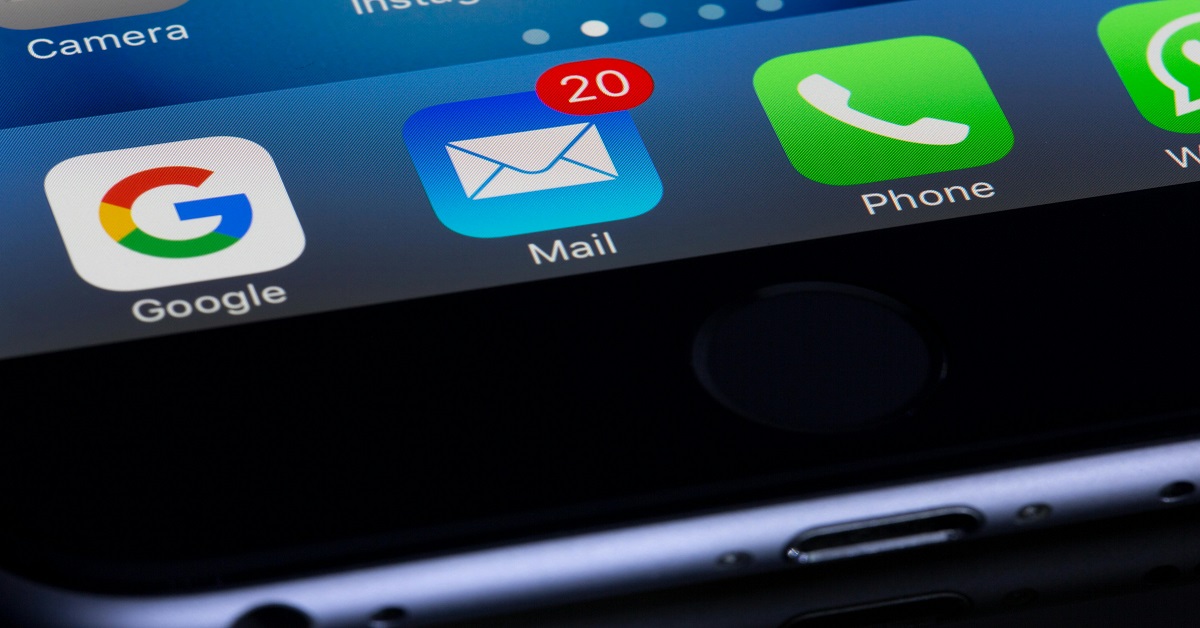
In today’s fast-paced digital era, online email marketing remains one of the most effective and reliable strategies for businesses to connect with their audience, build relationships, and drive sales. Despite the rise of social media and AI-driven ads, email marketing continues to outperform many other digital channels in terms of ROI (Return on Investment).
In this comprehensive guide, we’ll explore what online email marketing is, how it works, the best tools to use, and how to craft engaging campaigns that deliver results — all while following Google’s E-E-A-T (Experience, Expertise, Authoritativeness, Trustworthiness) standards.
What Is Online Email Marketing?
Online email marketing is the practice of using email to promote your products or services, build relationships with potential customers, and encourage loyalty among existing ones. It’s not just about sending newsletters — it’s about delivering personalized, valuable, and timely content directly to people’s inboxes.
Successful marketers use email to:
- Nurture leads through the sales funnel
- Announce new products or updates
- Offer discounts and promotions
- Educate audiences with useful content
Why Email Marketing Still Works in 2025
Despite changes in digital marketing trends, email marketing remains powerful because it’s personal, direct, and measurable. Here’s why it’s still a must-have in your marketing strategy:
1. High ROI
According to HubSpot, businesses earn an average of $36 for every $1 spent on email marketing. That’s a higher ROI than most other channels.
2. Direct Audience Connection
Unlike social media algorithms, email gives you full control over your audience reach. Your message lands directly in their inbox, not buried in a feed.
3. Personalization
Email platforms now use AI and automation to tailor messages based on user behavior — improving engagement rates significantly.
4. Relationship Building
Through consistent, value-driven communication, brands can build long-term trust with subscribers, encouraging repeat sales.
Types of Email Marketing Campaigns
Understanding different types of email campaigns helps you target users effectively:
1. Welcome Emails
Make a strong first impression when someone subscribes. Offer a greeting, brand intro, and exclusive discounts.
2. Promotional Emails
Highlight upcoming sales, product launches, or special offers to boost conversions.
3. Educational Emails
Send newsletters or tips that provide real value to users, showcasing your brand’s expertise.
4. Re-engagement Emails
Reconnect with inactive subscribers through special incentives or surveys.
5. Transactional Emails
Include order confirmations, receipts, and shipping updates — crucial for building customer trust.
How to Build an Effective Email Marketing Strategy
Creating an impactful campaign involves planning, testing, and optimization. Here’s a step-by-step breakdown:
1. Build a Quality Email List
Focus on organic growth. Use website pop-ups, social media promotions, and lead magnets (like free eBooks or webinars) to gather subscribers.
Avoid buying email lists — they harm your deliverability and brand reputation.
2. Choose the Right Email Marketing Software
Top email marketing platforms in 2025 include:
- Mailchimp – Ideal for small businesses and automation.
- ConvertKit – Great for creators and influencers.
- Brevo (formerly SendinBlue) – Known for advanced segmentation.
- HubSpot Email Marketing – Perfect for inbound campaigns.
These tools allow automation, analytics tracking, and design flexibility.
3. Segment Your Audience
Divide your subscribers by demographics, interests, and behavior. A personalized email performs better than a one-size-fits-all blast.
4. Create Engaging Content
Use a conversational tone, clear CTAs (Call to Action), and eye-catching visuals. Remember the “3C Rule” — be Clear, Concise, and Compelling.
5. Optimize for Mobile
Over 70% of emails are opened on smartphones. Always use responsive designs and short subject lines.
6. Test and Analyze
Run A/B tests on subject lines, timing, and content. Use analytics to track open rates, CTR (Click-Through Rate), and conversions.
Best Practices for Better Email Deliverability
To ensure your emails don’t end up in spam folders:
- Use verified domains and authentication protocols (SPF, DKIM, DMARC)
- Avoid spam-triggering words (e.g., “free money,” “urgent offer”)
- Keep a healthy sender reputation by maintaining an active subscriber list
Integrating AI in Email Marketing
Artificial Intelligence is revolutionizing email marketing by enhancing personalization and automation. With AI tools, marketers can:
- Predict the best time to send emails
- Generate engaging subject lines
- Personalize content dynamically
- Segment audiences automatically
Platforms like HubSpot AI, Klaviyo AI, and Mailchimp Smart Recommendations are helping brands achieve higher engagement and sales.
Benefits of Email Marketing for Businesses
Here are some undeniable advantages:
- Cost-effective marketing compared to ads
- Better customer retention through consistent communication
- Data-driven insights to improve targeting
- Global reach with minimal cost
- Scalable results, from startups to large enterprises
Common Mistakes to Avoid
Even the best marketers make mistakes. Avoid these pitfalls:
- Sending too many emails (causes unsubscribes)
- Ignoring personalization
- Failing to optimize for mobile
- Neglecting analytics
- Using clickbait subject lines
The Future of Online Email Marketing
The future is AI-powered and hyper-personalized. Emails will become more interactive, featuring polls, video embeds, and even shoppable links. The key will be authenticity and user experience — aligning perfectly with Google’s E-E-A-T principles.
Brands that prioritize trust, expertise, and relevance will dominate inbox engagement in 2025 and beyond.
Conclusion
Online email marketing isn’t just alive — it’s thriving. When executed with strategy, creativity, and authenticity, it remains one of the most powerful tools to grow your brand, engage your audience, and boost ROI.
Start today by building a solid email list, crafting valuable content, and letting AI-powered tools amplify your results. Your next loyal customer might already be waiting in their inbox.